Commodities Trading at GlobeGlobal
The essentials of commodities trading. Keen to understand more about commodities? Here's an overview to help elucidate the world's oldest form of trading.
GlobeGlobal packages help you interpret supply, demand, and macro forces that move commodity prices.
What is commodities trading?
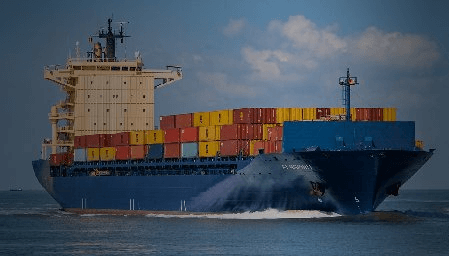
Commodities trading is the buying and selling of raw materials or primary agricultural products. There are hard commodities, which are generally mined natural resources like gold or oil, and soft commodities, which are livestock or agricultural goods.
Commodities trading predates all other forms of trading, as burgeoning civilisations would barter for food and supplies. In modern times, the physical commodities market is hugely dependent on futures prices, enabling producers (such as farmers) to secure a price from buyers in advance. However, the sophisticated network of commodities exchanges that exists today enables speculative traders to access the price movements of these assets in the short term.
Why trade commodities?
Trading on commodities gives you exposure to the prices of oil, gas, metals and more, without ever having to take physical delivery of the asset or worry about storing them. Spot CFDs do not have a specified expiry date, giving you flexibility on when you close your position.
Many investors view commodities as a potential hedge against inflation, as their prices are not highly correlated with other assets. Gold in particular has historically been considered a safe haven, as it tends to retain its value during times of economic uncertainty. Trading CFDs on commodities also enables you to use leverage to amplify your exposure. This can magnify your profits but also your losses, as both will be based on the full value of the position.
Why GlobeGlobal Traders Choose This Market
Access metals, energies, and soft commodities via CFDs
Use commodity flows to hedge portfolios against inflation
Blend fundamentals and technicals with our analyst support
